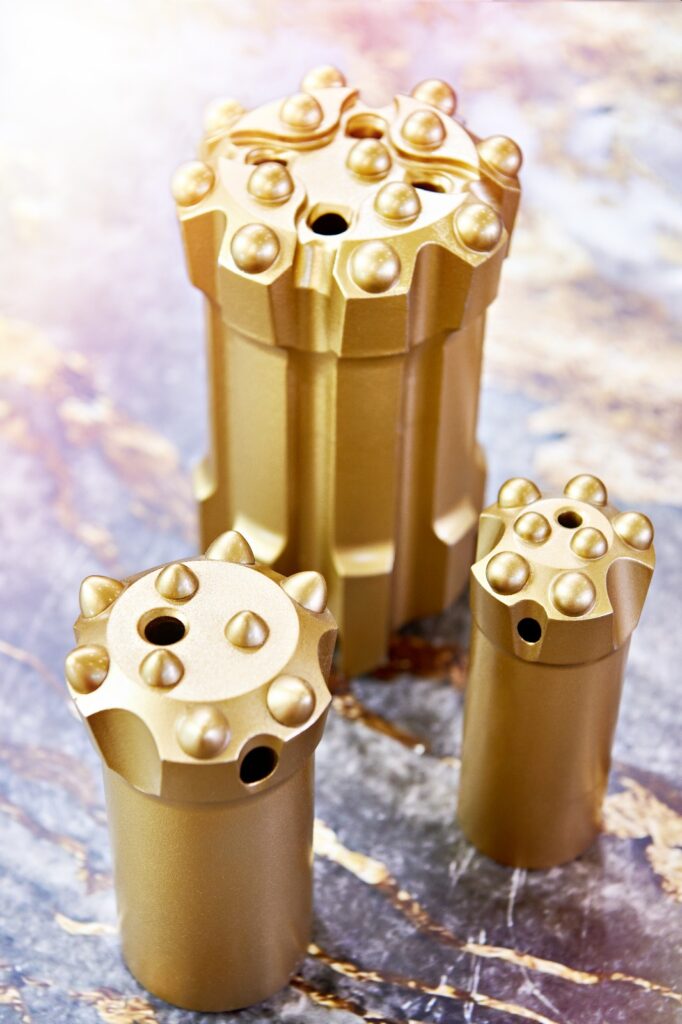
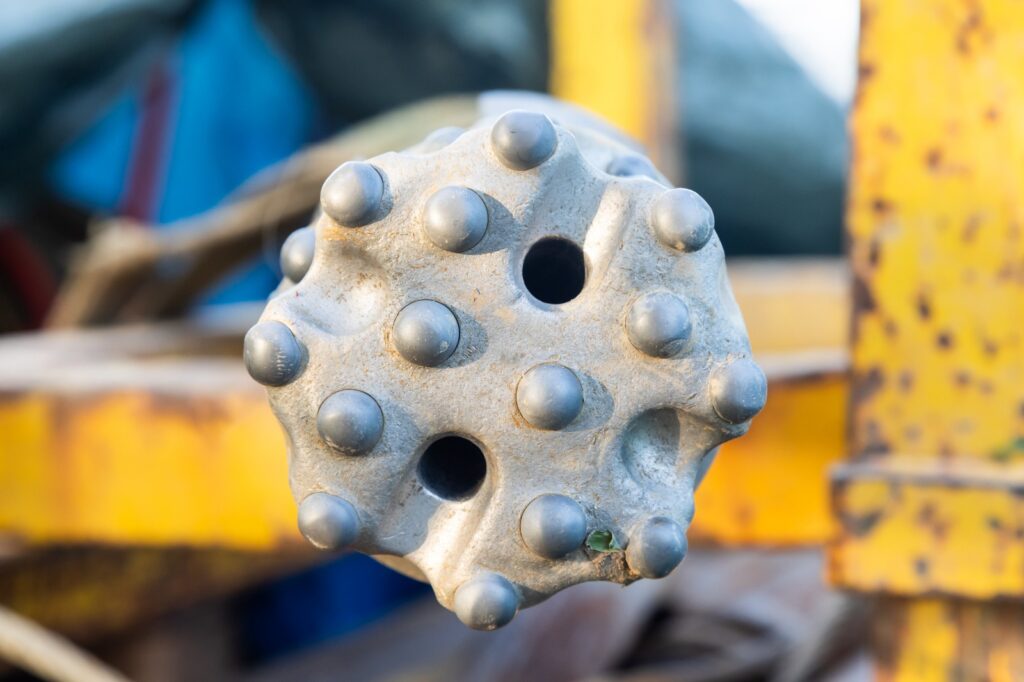
Top Hammer drilling is a well-established technique in the drilling industry, known for its efficiency and precision. This method involves a drill string, which is connected to a drill bit at the bottom and a hydraulic hammer at the top. The hammer delivers powerful impacts to the drill bit through a series of rods, allowing it to penetrate the rock effectively. The energy generated by the hammer is transmitted through the drill string, creating a percussive force that fractures the rock and allows for the removal of debris.
One of the defining features of Top Hammer drilling is its ability to maintain high drilling speeds, even in hard rock formations. This is particularly advantageous in mining and construction projects where time and efficiency are critical. The method is also highly versatile, as it can be adapted to various drilling conditions and depths. Additionally, the equipment used in Top Hammer drilling is relatively lightweight and easy to transport, making it an ideal choice for projects in remote or difficult-to-access locations.
However, the effectiveness of Top Hammer drilling is highly dependent on the condition and length of the drill string. As the depth of the hole increases, energy loss through the drill string can become a significant issue, reducing the overall impact force delivered to the drill bit. This limitation makes Top Hammer drilling more suitable for shallower depths, typically up to 30 meters. Despite these challenges, advancements in technology and equipment continue to enhance the performance and capabilities of Top Hammer drilling, solidifying its position as a preferred method in many drilling applications.
Down-the-Hole (DTH) drilling is another widely used technique in the drilling industry, known for its ability to achieve deep and precise boreholes. Unlike Top Hammer drilling, the hammer in DTH drilling is located at the bottom of the drill string, directly behind the drill bit. This configuration allows the percussive energy to be delivered directly to the bit, minimizing energy loss and ensuring maximum impact force. The result is a highly efficient drilling method that can penetrate even the hardest rock formations with ease.
One of the key features of DTH drilling is its ability to maintain consistent performance at greater depths. The direct transmission of energy from the hammer to the bit ensures that the drilling efficiency remains high, regardless of the depth of the hole. This makes DTH drilling particularly suitable for projects that require deep boreholes, such as water wells, geothermal wells, and deep mining operations. The method can also be adapted to various drilling conditions, including vertical, horizontal, and inclined drilling, providing a high degree of operational flexibility.
DTH drilling is also known for its precision and accuracy. The direct impact force delivered to the drill bit ensures that the borehole remains straight and true, minimizing deviation and ensuring accurate results. This level of precision is critical in applications where the exact placement of the borehole is essential, such as in foundation drilling and exploration drilling. Additionally, the robust design of DTH drilling equipment allows it to withstand harsh drilling conditions, ensuring reliable performance and long equipment life.
While both Top Hammer and DTH drilling techniques are effective in their own right, they each have distinct characteristics that differentiate them and make them suitable for specific applications. One of the primary differences lies in the location of the hammer. In Top Hammer drilling, the hammer is situated at the top of the drill string, whereas in DTH drilling, the hammer is positioned at the bottom, directly behind the drill bit. This fundamental difference in design significantly impacts the performance and capabilities of each method.
The energy transmission mechanism is another key difference between the two techniques. In Top Hammer drilling, the percussive energy is transmitted through the drill string, which can lead to energy loss, especially at greater depths. This makes Top Hammer drilling more suitable for shallower depths, typically up to 30 meters (100 ft). In contrast, DTH drilling delivers the percussive energy directly to the drill bit, minimizing energy loss and ensuring maximum impact force. This allows DTH drilling to maintain high drilling efficiency at greater depths, making it ideal for deep borehole applications.
The types of geological conditions each method can handle also differ. Top Hammer drilling is highly effective in hard rock formations and can achieve fast drilling speeds over shorter distances, making it suitable for mining, quarrying, and construction projects. On the other hand, DTH drilling is versatile and can penetrate both hard rock and softer rock formations. This versatility makes DTH drilling suitable for a broader range of applications, including water wells, geothermal wells, and deep mining operations. Understanding these key differences is crucial for selecting the appropriate drilling technique for your specific project requirements.
The choice between Top Hammer and DTH drilling often depends on the specific requirements and conditions of the drilling project. Each technique has its unique strengths and is better suited for certain applications. Top Hammer drilling is particularly effective in mining and quarrying operations where fast drilling speeds and high efficiency are essential. The method’s ability to maintain high penetration rates in hard rock formations makes it ideal for extracting valuable minerals and ores. Additionally, Top Hammer drilling is commonly used in construction projects, such as foundation drilling and rock bolting, where precision and speed are critical.
In contrast, DTH drilling excels in applications that require medium to deeper precise boreholes. The method’s ability to maintain consistent performance at greater depths makes it suitable for water well drilling, geothermal well drilling, and deep mining operations. DTH drilling is also widely used in exploration and foundation drilling, where accurate placement and minimal borehole deviation are essential for assessing the geological conditions and potential resources. The versatility of DTH drilling allows it to be adapted to various drilling conditions, including vertical, horizontal, and inclined drilling, providing a high degree of operational flexibility.
Another important application of DTH drilling is in construction projects that require deep foundation drilling (open hole and casing driven), such as micro piling, large diameter piling and anchor installation. The method’s precision and ability to penetrate hard rock formations ensure that the foundations are stable and secure. Additionally, DTH drilling is often used in environmental and geotechnical investigations, where accurate borehole placement and minimal disturbance to the surrounding environment are essential. Understanding the specific use cases for each drilling technique can help you select the most appropriate method for your project, ensuring optimal performance and efficiency.
Cost is a critical factor in any drilling project, and understanding the cost implications of Top Hammer and DTH drilling can help you make an informed decision. Top Hammer drilling is generally more cost-effective for shallower depths, typically up to 30 meters. The equipment used in Top Hammer drilling is relatively lightweight and easy to transport, which can reduce logistics and transportation costs. Additionally, the high drilling speeds and efficiency of Top Hammer drilling can result in shorter project timelines, further lowering overall project costs.
However, the cost-effectiveness of Top Hammer drilling diminishes as the depth of the borehole increases. The energy loss through the drill string at greater depths can reduce drilling efficiency and increase operational costs. In such cases, DTH drilling may be a more cost-effective option. The direct transmission of energy from the hammer to the drill bit in DTH drilling ensures consistent performance at greater depths and hole sizes, minimizing energy loss and maximizing drilling efficiency. This can result in lower operational costs for deep borehole projects, such as water wells, geothermal wells, and deep mining operations.
The initial investment in DTH drilling equipment may be higher compared to Top Hammer drilling, but the long-term cost savings can outweigh the initial expenditure. The robust design of DTH drilling equipment ensures reliable performance and long equipment life, reducing maintenance and replacement costs. Additionally, the versatility and adaptability of DTH drilling can lead to cost savings in projects that require drilling in various geological conditions. By carefully considering the cost implications of each drilling technique, you can select the most cost-effective method for your specific project requirements.
At Drill King International, we don’t just sell tools—we engineer solutions. Our extensive range includes:
Backed by global support, rigorous quality control, and decades of field-tested innovation, Drill King delivers reliability you can count on—hole after hole.
Drill Smarter. Drill Stronger. Drill Drill King.